Table of Contents
- Key Takeaways
- Understanding Your Business Requirements First
- Key Features to Evaluate in a Refrigerated Trailer Unit
- Comparing Refrigerated Transport Options
- Energy Efficiency and Operating Costs
- Common Mistakes to Avoid When Selecting a Refrigerated Trailer Unit
- Refrigerated Trailer Unit Solutions for Efficient Cold Chain Logistics
- Frequently Asked Questions
Selecting the right refrigerated trailer unit is a critical decision for businesses that rely on temperature-sensitive logistics. Whether you operate a refrigerated truck or rely on specialised vehicles such as fridge trucks, freezer lorries, or chiller trucks for daily operations, the performance of your cooling system directly impacts product quality, compliance, and profitability.
At Alpha Refrigeration, we are the authorised Singapore dealer for Carrier Transicold, Daikin, and Kingtec transport refrigeration units. Specifying the right system for your operation goes beyond comparing brochures. It depends on your route profile, cargo type, annual operating hours, and the regulatory framework your cargo falls under.
Key Takeaways
- A well-chosen refrigerated trailer unit ensures consistent temperature control, protecting product integrity throughout transport.
- Insulation quality plays a major role in energy efficiency and temperature stability across all vehicle types, including reefer truck and freezer lorry fleets.
- Matching the unit capacity to your cargo type and volume prevents overloading and improves cooling performance.
- Fuel consumption and electrical draw are usually the single largest operating cost line for a refrigerated fleet, particularly for operators running multiple vehicles or long shifts.
- Businesses handling food, pharmaceuticals, or other sensitive goods must specify their refrigeration units against Singapore’s named cold chain standards: SS 668:2020 for food and HSA Good Distribution Practice for pharmaceuticals.
Understanding Your Business Requirements First
Before evaluating technical features, it is important to assess how your business operates. Different industries have varying temperature and logistics requirements, which will influence your choice of refrigerated trailer unit.
Cargo Type and Temperature Sensitivity
The type of goods you transport sets the cooling range. Fresh produce and dairy typically need 0°C to 8°C, the chilled-food range under SS 668:2020. Frozen food and ice cream usually call for a freezer lorry running at ≤-18°C, which matches the SS 668 frozen-food range. Pharmaceuticals usually need 2°C to 8°C with continuous monitoring under HSA Good Distribution Practice, a stricter framework than food logistics.
Delivery Distance and Frequency
Short-distance deliveries may not require the same level of insulation or cooling power as long-haul transport. Businesses operating multiple daily routes with a fridge truck may prioritise fast cooling recovery, while long-distance operators need consistent performance over extended periods.
Fleet Compatibility
If you already operate a refrigerated truck or reefer truck fleet, compatibility with existing systems is important. Standardising equipment can simplify maintenance, reduce costs, and improve operational efficiency.
Key Features to Evaluate in a Refrigerated Trailer Unit
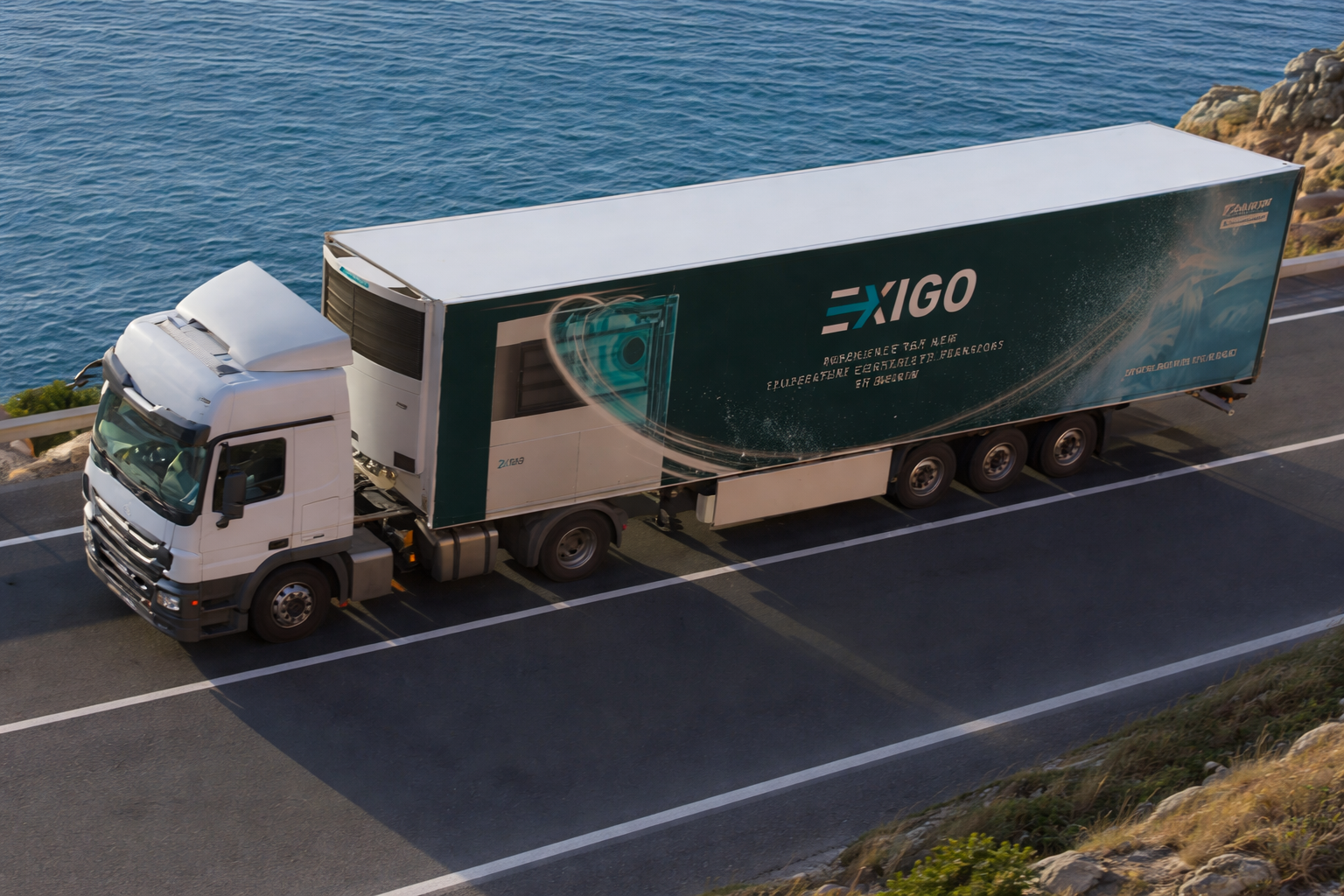
Choosing the right unit involves more than comparing brands. The following features are essential to ensuring reliable cold chain performance.
Insulation Quality and Build
High-quality insulation reduces heat transfer, allowing the unit to maintain stable internal temperatures with less energy. Poor insulation leads to temperature fluctuations, increased fuel consumption, and potential product spoilage.
Look for:
- Thick, high-density insulation panels
- Seamless construction to prevent air leakage
- Durable materials suitable for Singapore’s humid climate
Cooling Capacity and Performance
The cooling capacity must match your cargo load and vehicle size. An undersized unit will struggle to maintain temperature, while an oversized unit may waste energy.
Consider:
- Pull-down time or how quickly the unit reaches the desired temperature
- Ability to maintain consistent temperatures under varying external conditions
- Performance during frequent door openings
Temperature Range Flexibility
A versatile refrigerated trailer unit allows you to handle multiple types of cargo. For example, some businesses require both chilled and frozen compartments within the same reefer truck.
Comparing Refrigerated Transport Options
To better understand how different vehicle types serve specific needs, the table below outlines key differences:
| Vehicle Type | Temperature Range | Best For | Key Advantage |
|---|---|---|---|
| Refrigerated truck | 0°C to 10°C | Fresh produce, dairy | Balanced cooling and efficiency |
| Reefer truck | -25°C to 10°C | Mixed cargo | Flexible temperature control |
| Fridge truck | 0°C to 5°C | Short-distance chilled goods | Quick cooling and easy access |
| Freezer lorry | -18°C to -25°C | Frozen food, ice cream | Deep freeze capability |
| Chiller truck | 2°C to 8°C | Pharmaceuticals, beverages | Precise temperature maintenance |
The configuration matters as much as the brand of the unit itself. A premium TRU sized for the wrong route profile will underperform a mid-tier unit sized correctly.
Energy Efficiency and Operating Costs
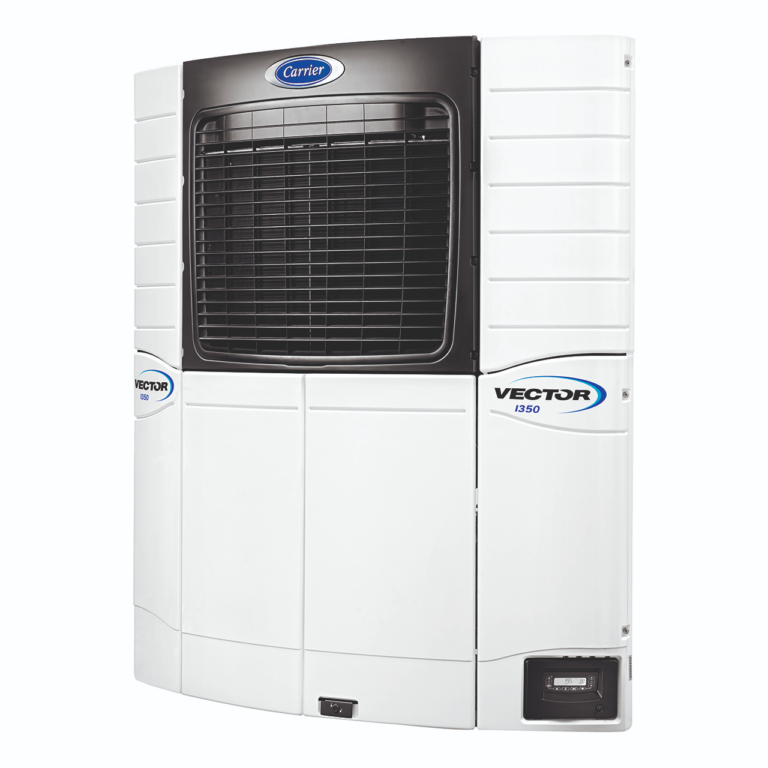
Different industries require tailored solutions. Understanding your sector’s needs helps you select the most suitable refrigerated trailer unit.
Food and Beverage Industry
Businesses transporting fresh or frozen food require consistent temperature control and high hygiene standards. A combination of reefer truck and freezer lorry solutions is often ideal.
Pharmaceutical and Healthcare
Precision is key. A chiller truck with advanced monitoring systems is essential for maintaining strict temperature ranges.
Logistics and Distribution
For companies handling varied cargo, flexibility is important. Multi-temperature refrigerated truck units allow efficient handling of different products within a single trip.
Common Mistakes to Avoid When Selecting a Refrigerated Trailer Unit
Many businesses make avoidable mistakes when choosing refrigerated transport systems.
- Selecting a unit based only on upfront cost rather than long-term efficiency
- Ignoring insulation quality and focusing solely on cooling power
- Overlooking compatibility with existing fleet systems
- Failing to consider maintenance and servicing requirements
- Not accounting for regulatory compliance needs
Avoiding these pitfalls can save your business significant time and costs in the long run.
Refrigerated Trailer Unit Solutions for Efficient Cold Chain Logistics
Choosing the right refrigeration unit comes down to three things: holding product quality on every trip, meeting Singapore’s cold chain standards, and keeping operating costs predictable across the asset’s life. Insulation, energy use, and compatibility with the rest of your fleet each play a part.
At Alpha Refrigeration, we provide tailored solutions designed to meet the unique needs of your business. Our team works closely with you to ensure that your refrigerated transport systems deliver reliable performance, efficiency, and compliance at every stage of the cold chain.
If you are planning to upgrade your fleet or invest in a new refrigerated trailer unit, we are here to help you make the right choice with confidence.
Frequently Asked Questions
How often should a refrigerated trailer unit be serviced?
The OEM standard for most transport refrigeration units (Carrier, Daikin, Kingtec) is a major service every 1,500 operating hours, or once a year, whichever comes first. In Singapore, where many vehicles run extended dayshifts, the 1,500-hour mark usually lands every 6 to 9 months. Daily walk-around checks on belt condition, condenser cleanliness, and oil level should happen every operating day.
Can one refrigerated unit handle both chilled and frozen goods?
Yes, some advanced systems offer multi-temperature compartments. However, this depends on the design and configuration of the unit.
What is the typical lifespan of a refrigerated trailer unit?
With proper maintenance, most units can last between 8 to 12 years. Usage intensity and servicing quality play a significant role.
How do I monitor temperature during transport?
Modern TRUs come with built-in digital temperature logging at set intervals, typically every 5 to 15 minutes. For SS 668-aligned food transport, the logger should record the full trip and be available on request for SFA audits. For HSA-compliant pharmaceutical transport, monitoring must be continuous, with calibrated sensors and validated processes. Optional add-ons include cellular telematics for real-time alerts, GPS-linked temperature mapping, and integration with fleet management software.
Is it better to retrofit or buy a new refrigerated system?
This depends on your current vehicle condition and business needs. Retrofitting can be cost-effective, but new systems often provide better efficiency and technology.